
Mount Paggaio
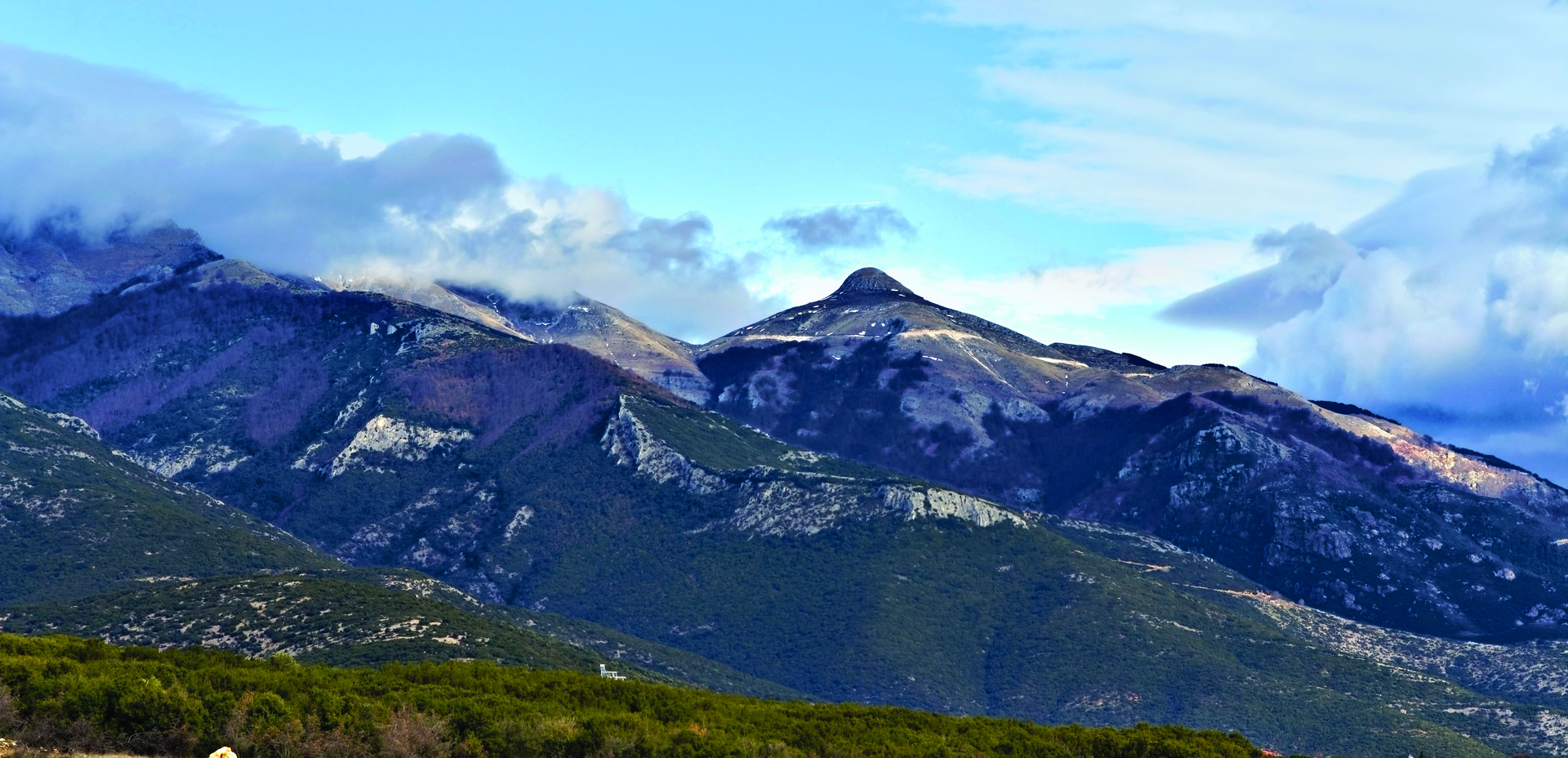
Mount Paggaio
Between History and Myth
A mountain full of surprises, a world inextricably linked to the past, a place where for thousands of years people and cultures have left their traces of glory, but also their doctrines and secrets. All these elements of history and mythology, of reality and legend, travelling through the centuries, reach the present day, challenging the mind for their interpretation, but also enveloping Mount Paggaio with their mystical haze.
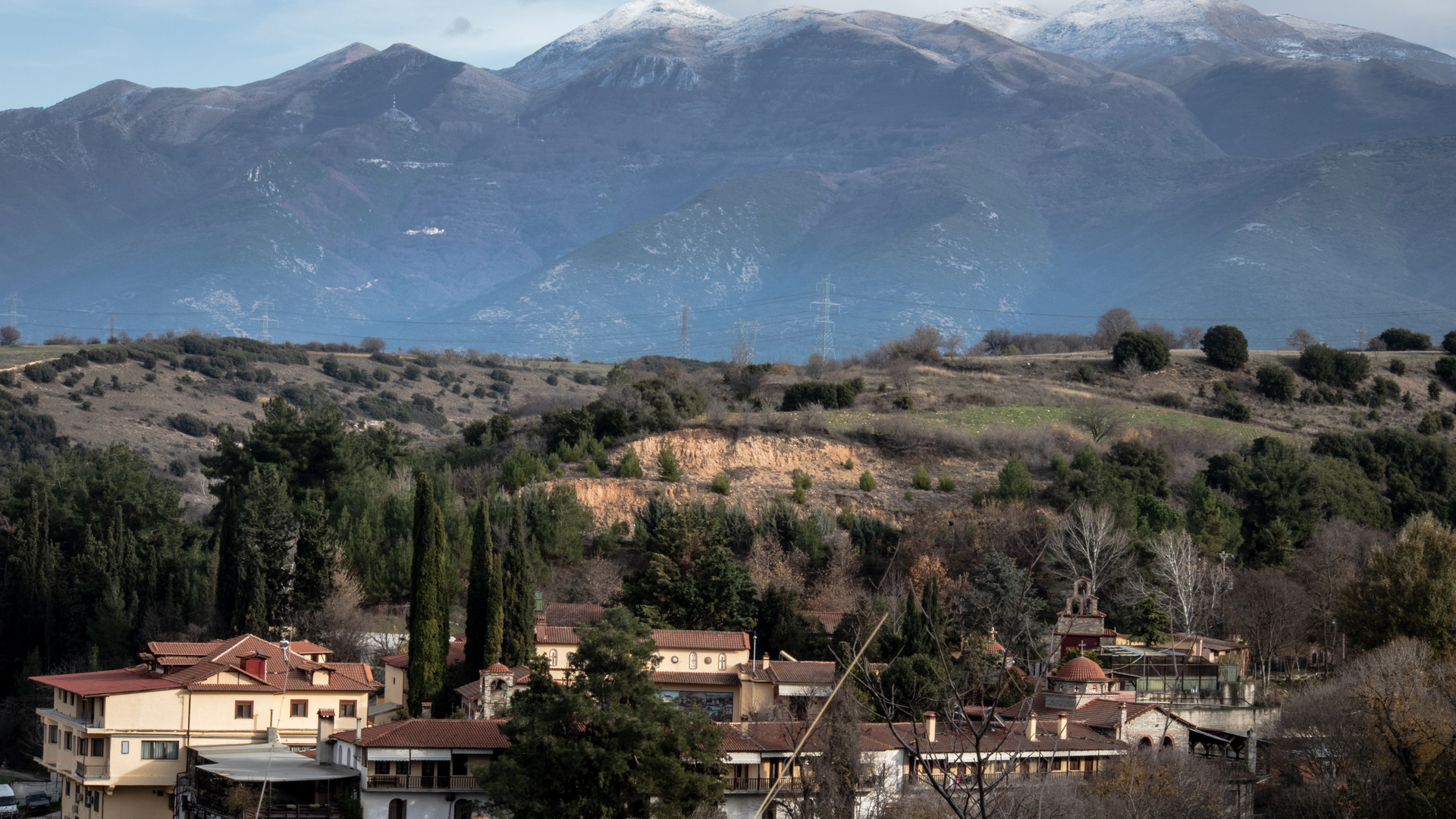
Euripides, in his tragedy “Rhesus” (453 BC), calls it “the mountain with the volumes of gold, whose earth hides silver”, because of the rich deposits of gold and silver that supplied the treasuries of the kings of the time and financed their campaigns. The mythical King Midas is also associated with the gold-bearing mountain, as according to legend, his wealth came from the gold of Paggaio.
<div class="info-card m-t-2">
<svg class="info-card__icon" width="37" height="85" viewBox="0 0 37 85" fill="none" xmlns="http://www.w3.org/2000/svg">
<path d="M26.1526 49.4697H9.75383C8.93389 49.4697 8.25064 48.9231 8.11398 48.1031L5.7908 34.8475C5.65414 33.8909 6.20077 33.0709 7.15737 32.9342C8.11396 32.7976 8.93389 33.3442 9.07055 34.3008L11.1204 46.1899H24.6494L32.3022 3.41641H3.60429L7.56736 25.4181C7.70402 26.3747 7.15739 27.1947 6.2008 27.3313C5.2442 27.468 4.42423 26.9214 4.28757 25.9648L0.0512488 1.9132C-0.0854078 1.36658 0.0512321 0.956609 0.461202 0.546639C0.734515 0.136669 1.28114 0 1.82777 0H34.6254C35.172 0 35.5819 0.273326 35.9919 0.546639C36.2652 0.956609 36.4019 1.50323 36.4019 1.9132L28.2025 48.1031C27.6558 48.7864 26.9726 49.4697 26.1526 49.4697Z" fill="#0B3A55" />
<path d="M17.9529 85C9.61683 85 2.92065 78.3038 2.92065 69.9678C2.92065 61.6317 9.61683 54.9355 17.9529 54.9355C26.2889 54.9355 32.9851 61.6317 32.9851 69.9678C32.9851 78.3038 26.2889 85 17.9529 85ZM17.9529 58.2153C11.53 58.2153 6.33707 63.4082 6.33707 69.8311C6.33707 76.254 11.53 81.4469 17.9529 81.4469C24.3757 81.4469 29.5687 76.254 29.5687 69.8311C29.5687 63.4082 24.3757 58.2153 17.9529 58.2153Z" fill="#0B3A55" />
</svg>

    <p class="info-card__title">Did you know?</p>
<p class="info-card__text">As Pseudo-Plutarch informs us in his work “On the appellation of rivers and mountains”,a tragic occasion led to the renaming of the mountain, which used to be called Carmanion; unable to bear the guilt of the unwitting incestuous relationship with his daughter, Paggaios, son of the god Ares and the mortal Kritovouli, climbed the mountain and committed suicide. Since his death, the mountain has taken his name.</p>
</div>
Paggaio, a place of gods and mortals
According to mythology, this is where the Olympian god of war, Ares, was born and raised, but also, the place where he fled after the revelation of his illicit affair with the goddess Aphrodite, wife of Hephaestus.
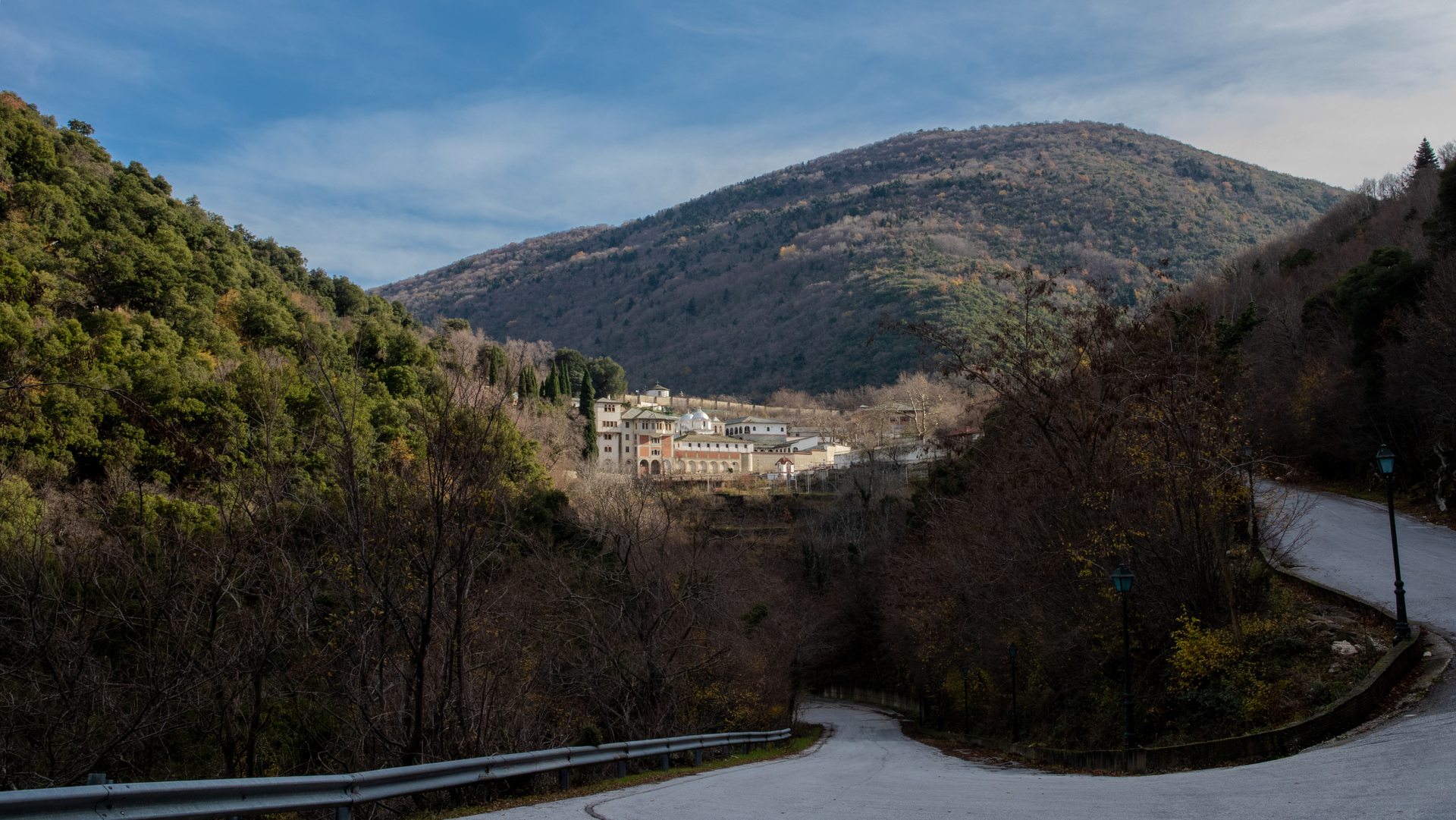
This is also the place of action of the god Dionysus or Bacchus and of his followers, who were filled with animalistic power and who, through the wine, their dance and their orgiastic ceremonies, sought communication with the divine. Herodotus is the first to mention the existence of the oracle of Dionysus in the area, while Euripides’ “Rhesus” also makes clear reference to the existence of a cave of Dionysus on Paggaio (“...Bacchus prophet [...] was enthroned on a stone of Paggaio.*). Even today, in the area of Nikissiani, Dionysian customs are revived with the burning of the flea and the resurrection of Dionysus - the victory of life by the so-called “Arapides”, people dressed in animal skins carrying large bells, making a deafening noise.
According to some narratives, Orpheus, the mythical melodist, who enchanted the Sirens with his lyre and his song, was the first to live in the inaccessible gorges of Paggaio in the company of wild beasts. It was here where he mourned the final loss of his beloved Eurydice, as Virgil informs us in the “Georgics” (fourth book), and where he died, hunted by the Maenads; it was also here where the mystical cult of Orphism was developed.
* “on the rock of Paggaio, the prophet of Bacchus was enthroned”

